

Minimally Invasive & Open Heart
Understanding Tricuspid Valve Disease
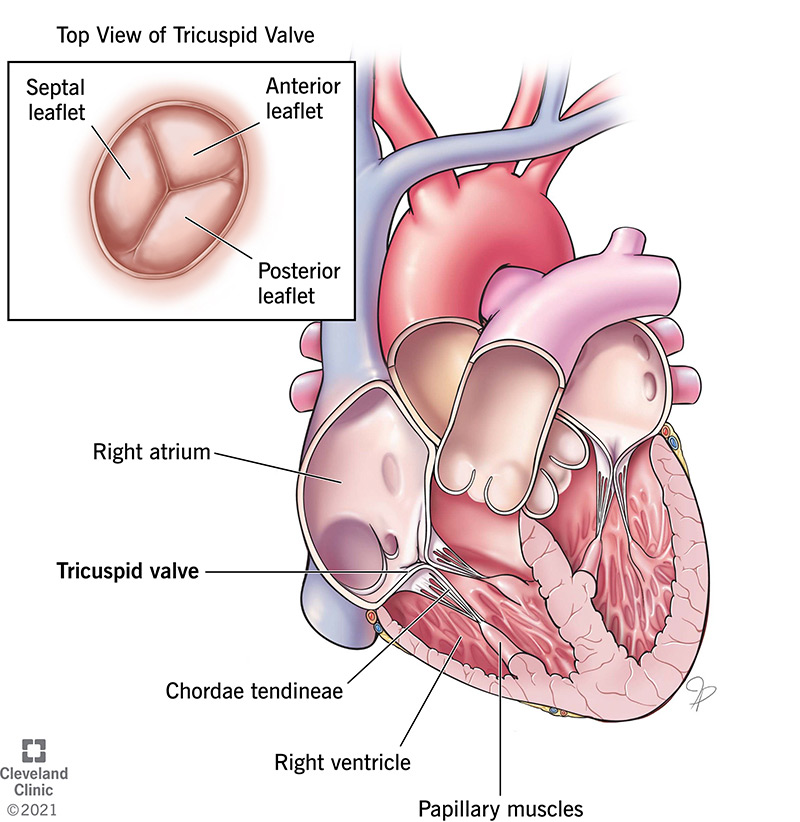
Tricuspid Valve Disease occurs when the tricuspid valve does not open or close properly, disrupting blood flow between the right atrium and right ventricle. Common conditions include tricuspid regurgitation (leaking valve) and tricuspid stenosis (narrowed valve). If left untreated, it can lead to heart failure, abnormal heart rhythms, and fluid buildup.
Common Symptoms
- Fatigue and weakness
- Shortness of breath
- Swelling of the legs, ankles, or abdomen
- Heart palpitations
- Neck vein swelling
- Reduced exercise tolerance
Diagnosis
- Echocardiogram (Heart Ultrasound)
- Electrocardiogram (ECG)
- Chest X-ray
- Cardiac CT or MRI (when required)
- Cardiac catheterisation (selected cases)
Treatment Options
- Minimally Invasive Tricuspid Valve Surgery: Small incisions, less pain, faster recovery, and suitable for selected patients requiring valve repair or replacement.
- Open Heart Tricuspid Valve Surgery: Recommended for complex valve disease, combined valve procedures, or patients unsuitable for minimally invasive surgery.
Benefits of Minimally Invasive Surgery
- Smaller incisions
- Minimal scarring
- Less blood loss
- Lower infection risk
- Less pain and trauma
- Faster recovery
- Shorter hospital stay
- Better cosmetic results
When Open Heart Surgery is Preferred
- Complex or advanced tricuspid valve disease
- Multiple valve or coronary artery procedures
- Redo cardiac surgery
- Patients unsuitable for minimally invasive techniques