

Minimally Invasive & Open Heart
Understanding Arrhythmia
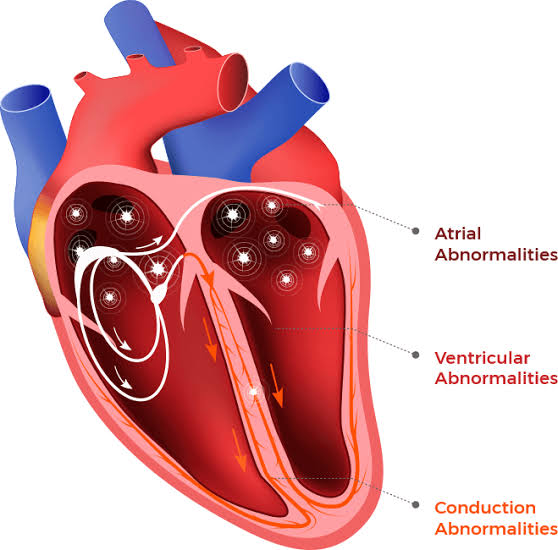
Arrhythmia is an abnormal heart rhythm where the heart beats too fast, too slow, or irregularly. It can range from harmless to life-threatening and may increase the risk of stroke, heart failure, or sudden cardiac arrest if left untreated.
Common Symptoms
- Heart palpitations
- Rapid or slow heartbeat
- Dizziness or lightheadedness
- Fainting (syncope)
- Shortness of breath
- Chest discomfort
- Fatigue
Diagnosis
- Electrocardiogram (ECG)
- Holter or ambulatory ECG monitoring
- Echocardiogram
- Electrophysiology (EP) study
- Blood tests
Treatment Options
- Minimally Invasive Arrhythmia Surgery: Catheter or thoracoscopic procedures (including ablation or minimally invasive Maze surgery) using small incisions, offering faster recovery and less discomfort.
- Open Heart Arrhythmia Surgery: Recommended for complex arrhythmias or when performed alongside other cardiac surgeries, such as valve repair or coronary artery bypass surgery.
Benefits of Minimally Invasive Surgery
- Smaller incisions
- Minimal scarring
- Less pain and blood loss
- Lower infection risk
- Faster recovery
- Shorter hospital stay
- Improved quality of life
When Open Heart Surgery is Preferred
- Complex or persistent arrhythmias
- Arrhythmias requiring a full Maze procedure
- Combined cardiac procedures (e.g., valve or bypass surgery)
- Patients unsuitable for minimally invasive techniques